

Advertisement
Advertisement
We’ve all faced it. You step into your kitchen after cooking for yourself, your family, or guests, and you spot unwelcome stains on the countertop or in the sink.
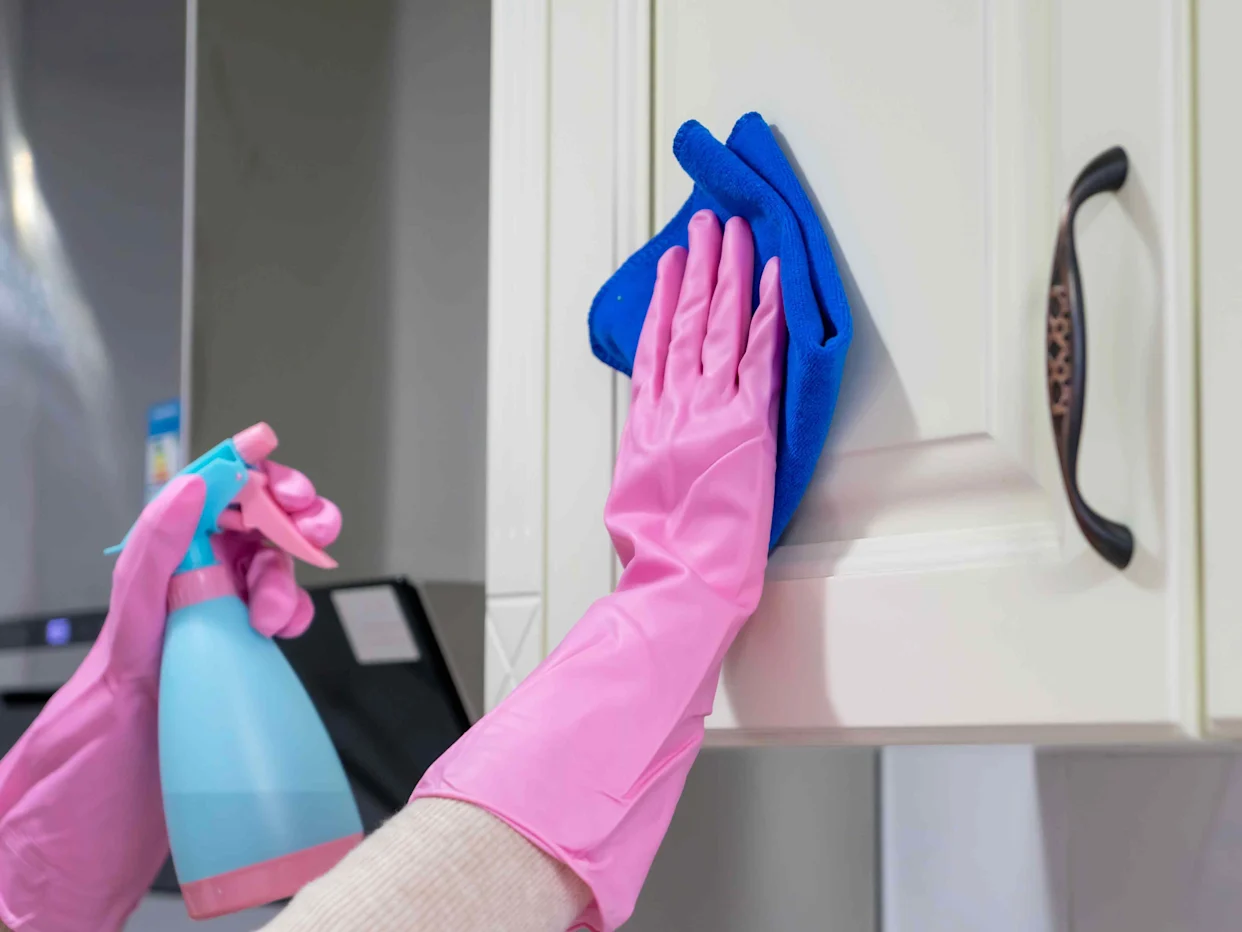
“Stains often appear from leftover food, spills that aren’t cleaned promptly, or items left on surfaces too long,” explains Jill Koch, professional cleaning consultant. “Even placing a dirty dish, pan, or container on the counter can trap moisture or residue, leading to marks over time.”
Highly-pigmented foods are the most common culprits. Coffee, tea, red wine, turmeric, berries, beets, and tomato sauce often leave lasting traces on counters. For sinks, mineral deposits from hard water—mainly calcium and magnesium—can create cloudy spots or dull white layers. “Many people think these are just dirt, but it’s usually minerals that have bonded to the surface,” says Brandon Pleshek, a professional cleaner based in Wisconsin.
Regular cleaning and wiping up spills immediately are key to preventing stains, Koch notes. But even with care, stains can be inevitable for anyone actively using their kitchen.
Expert Tips Before You Start Before tackling any stain, it’s essential to know your surface material. Certain materials like marble or natural stone are highly sensitive and can be permanently damaged by acidic cleaners, bleach, or harsh chemicals. Becky Fletcher, cleaning specialist at GoCleanCo, advises, “When in doubt, treat the surface as delicate. Always start with a gentle solution and test a small hidden area first.”
How Professionals Remove Sink and Counter Stains For fresh, light stains, a simple soap-and-water solution often works. Soap helps dissolve grease and surface residue before it penetrates deeper.
If that’s not enough, all four cleaning experts agree on a reliable solution: a baking soda paste. Made by mixing baking soda with water, this paste is spreadable and sticks to surfaces while providing a mild abrasive effect that lifts stains without scratching.
“When paired with a non-scratch sponge, baking soda paste can gently dislodge debris while protecting the surface,” Koch explains. “It’s ideal for routine maintenance and light discoloration, preserving the finish of your counters and sinks.”
Key Takeaways for Singapore Kitchens
Address spills immediately to reduce the risk of permanent stains.
Identify your countertop or sink material and start with gentle cleaning solutions.
Baking soda paste is a safe, effective option for most stains.
Use non-scratch tools to protect surfaces during scrubbing.
For busy Singapore households, these simple steps can keep your kitchen looking fresh and stain-free without requiring harsh chemicals or expensive products. Regular attention and gentle care are the keys to maintaining sparkling countertops and sinks.
Advertisement
Advertisement


Advertisement
Advertisement


 Recommend


